Body Butter vs Lotion vs Body Oil: Which One Does Your Skin Need?
Three jars, three textures, one confused hand hovering over the shelf. Body butter, body lotion and body oil all promise soft skin, and the labels rarely explain how they actually differ. They are built to do slightly different jobs, and the one that works for you depends on how dry your skin runs, what the weather is doing, and honestly, how much time you are willing to stand around waiting to get dressed. Here is the whole thing, decoded, with a layering order that gets the most out of whatever you already own.
First, how a moisturiser actually works
Every moisturiser does one or more of three jobs. Humectants such as glycerin and hyaluronic acid pull water toward the skin. Emollients such as shea butter and jojoba fill the gaps between skin cells so the surface feels smooth. Occlusives form a light seal that slows water escaping.
The reason dermatologists recommend moisturising within minutes of a shower is straightforward: you are trapping the water still on your skin rather than adding much. The American Academy of Dermatology puts damp-skin application at the centre of its dry-skin guidance for exactly this reason.
Butter, lotion and oil differ mainly in how much of each job they do, and how much water they contain.
Body butter: the heavy hitter
Body butter is the richest of the three. It is built mostly from butters and oils with little or no water, which makes it dense, slow to absorb and long-lasting. Shea butter and vitamin E do the emollient work while the thickness provides real occlusion.
Best for: genuinely dry skin, elbows, knees, heels, winter, and skin that feels tight hours after a shower.
The trade-off: it takes a minute to sink in, and in peak humidity it can feel like too much on the whole body.
How to use it: warm a small amount between your palms first. It spreads much further melted than scooped straight on, and most people use twice as much as they need.
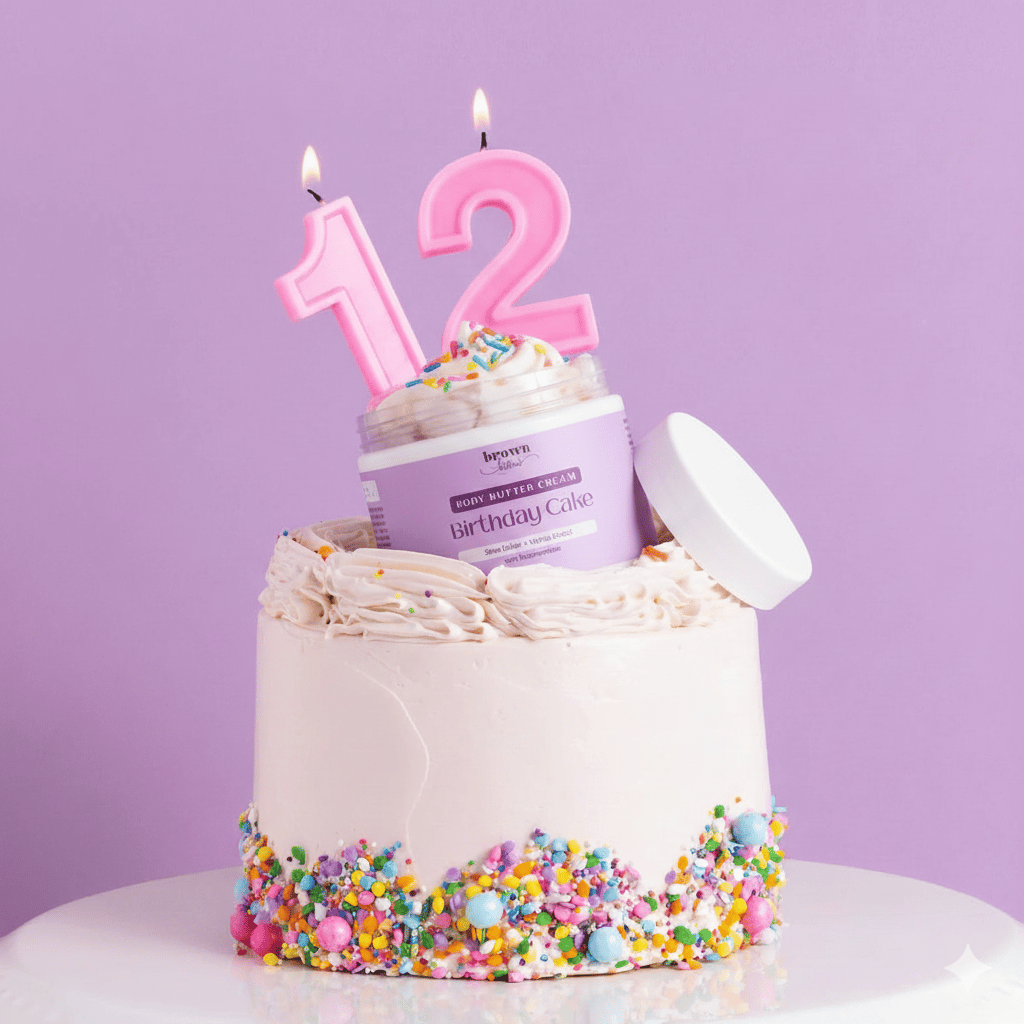
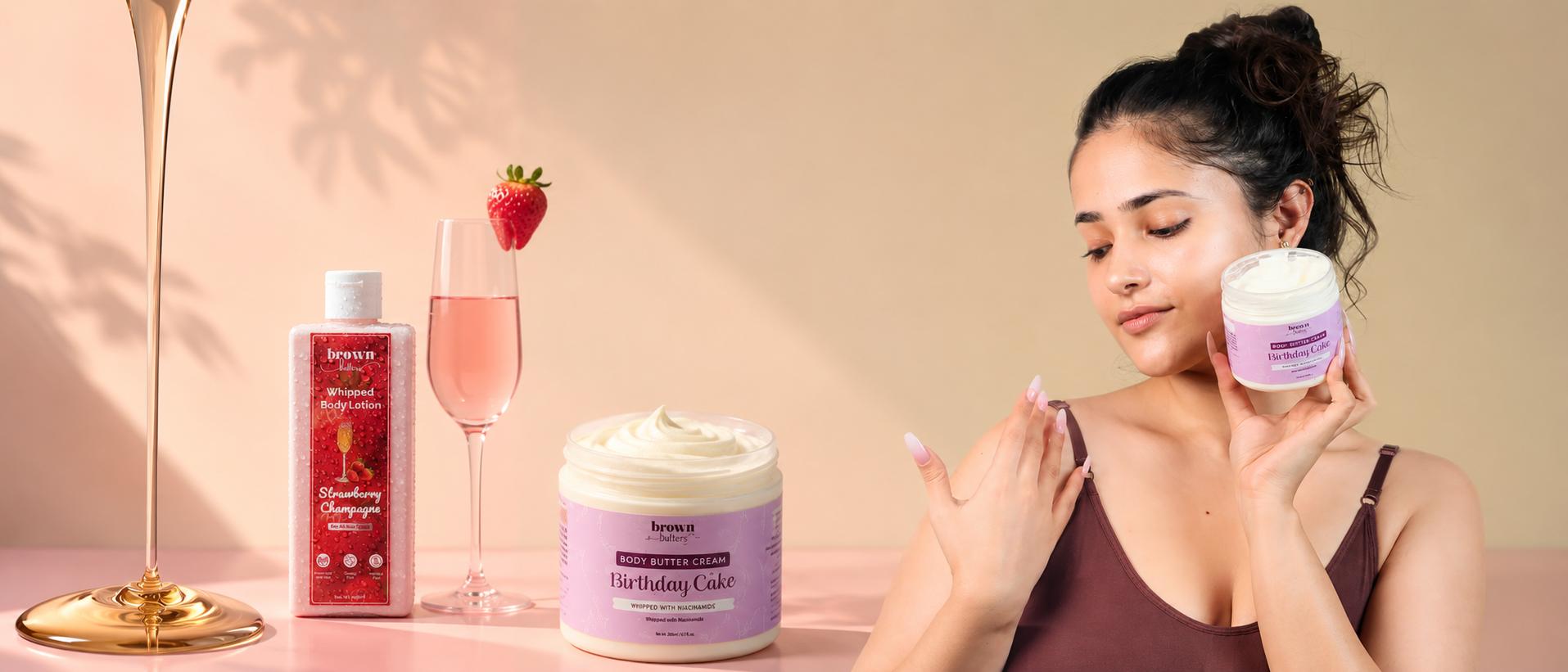
Our body butter creams come in Birthday Cake and Tropical Sunset, both whipped rather than solid, which makes a dense format easier to spread.

Where most people start, and the format that shows the biggest difference on dry skin.
Explore NowBody lotion: the everyday one
Lotion is an emulsion, oil and water blended together, with water usually the larger share. That water content is why it feels light, absorbs quickly and disappears under clothes in a minute.
Best for: normal to slightly dry skin, daily all-over use, mornings when you are in a hurry, humid months, and anyone who dislikes feeling coated.
The trade-off: less staying power. Very dry skin may need reapplication, or a richer format at night.
Our whipped body lotions are aerated to sit somewhere between a classic lotion and a cream, which is a good compromise if you want speed without the thinness. Browse the whipped body lotions.
Body oil: the finisher
Body oil is pure lipid, no water. It does not hydrate on its own, which surprises people. What it does brilliantly is seal, smooth and add sheen, and it absorbs faster than its richness suggests because oils penetrate the upper layers rather than sitting entirely on top.
Best for: sealing in moisture after a shower, adding glow for an evening out, massage, dry legs and arms, and post-sun skin that needs comfort.
The trade-off: on its own, on genuinely dehydrated skin, oil traps very little because there is not much water to trap. It works best over damp skin or over a lotion.
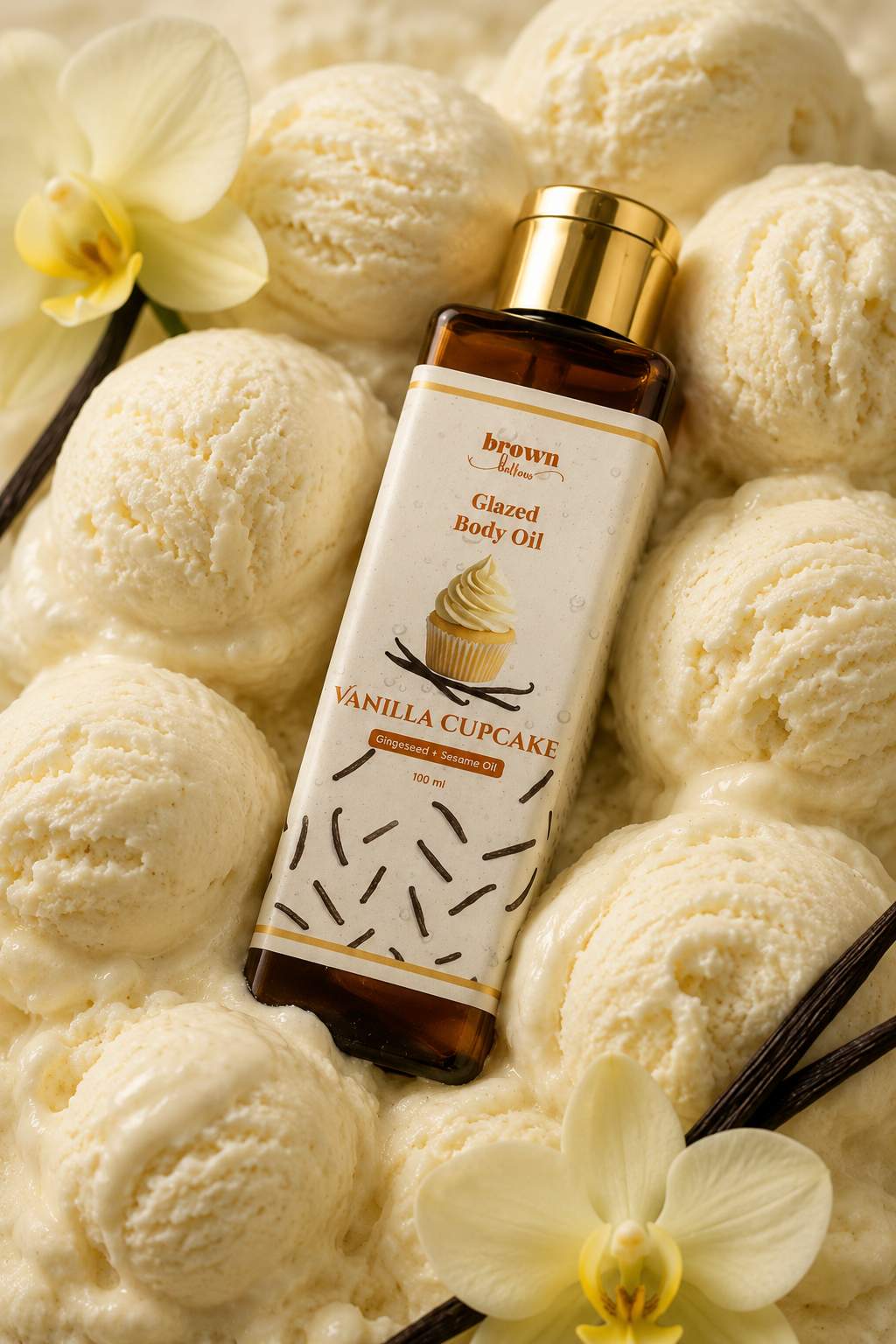
Our glazed body oils are built for that finishing step rather than as a standalone moisturiser.
Where bath butters and shower jellies fit
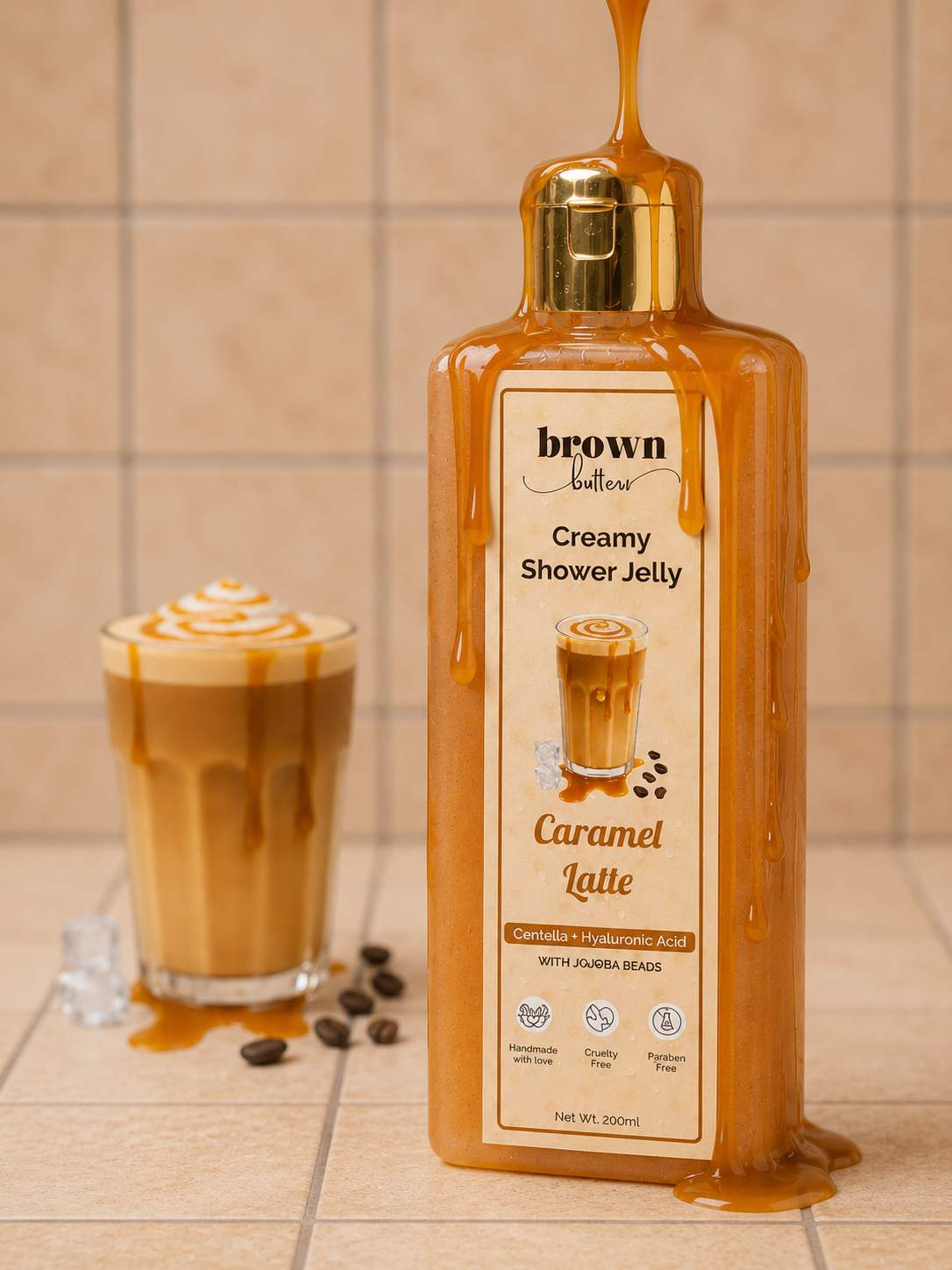
Two formats sit slightly outside the trio. Whipped bath butter is used in the shower, cleansing and conditioning at once, so skin comes out already softened rather than stripped. Creamy shower jelly is a gentler cleanse that leaves a light conditioning film behind.
Both reduce how much work your moisturiser has to do afterwards. If your skin feels tight the moment you step out of the shower, the problem is often the cleanser rather than the moisturiser. Explore whipped bath butters and creamy shower jellies.
The layering order, if you use more than one
Thinnest to thickest, always, on damp skin:
- Towel off lightly so skin is damp, not dripping.
- Lotion first, while skin is still damp.
- Oil next, to seal what the lotion delivered.
- Butter last, and only where you need it: heels, elbows, knees, hands.
Most people do not need all three at once. In winter, lotion plus butter on the dry patches is plenty. In summer, lotion alone, with oil on the nights your legs feel rough.
Choosing by skin type and season
Very dry or flaky skin: butter at night, lotion in the morning, oil after showers.
Normal skin: lotion daily, butter on elbows and heels, oil when you want the glow.
Oily or acne-prone body skin: lotion only, and keep heavy butters and oils off the back and chest.
Sensitive skin: simpler is safer. One fragranced product at a time, patch test on the inner arm first, and give any new format a week before adding another.
Monsoon and summer in India: lean lotion. Winter: lean butter. Post-shower, all year: the damp-skin rule beats every product choice.
The honest summary: lotion is the daily default, butter is the repair tool, oil is the finisher. Own one of each and you have covered almost every situation your skin will hand you.
New scents, restocks and body care notes, sent when there is something worth saying.
Follow the Journal